
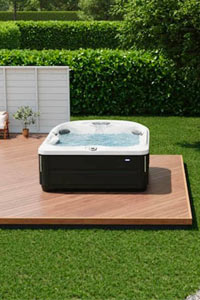


A hot tub session is one of life’s simple pleasures, but like most good things, it comes with a limit. Many people climb in with no particular timeline in mind, staying until the water cools or the conversation runs dry, without realizing that soaking too long can tip the experience from relaxing to genuinely risky. Heat, buoyancy, and hydrotherapy do real things to your body, and understanding how they work together helps you get the most out of every soak without overdoing it. Knowing how long is long enough, and how long is too long in a hot tub, makes the difference between a healthy habit and one that quietly works against you.
Why Soak Time Actually Matters
Heat affects your body more than you’d expect, even when it feels relaxing. When you sit in hot water, your heart rate increases as your body works to regulate its temperature, which can leave some people feeling tired or lightheaded after a prolonged soak.
You might not notice it, but you sweat in a hot tub just as much as you do during exercise. The warm water actually masks the feeling of sweat, so people often stay in longer than they realize, and that fluid loss adds up fast. It can leave you dehydrated before you even step out of the water.
How Long Should I Stay in a Hot Tub?
Hot tub water should be kept at or below 104°F, as spending too much time in hotter water can increase the risk of overheating, according to the Centers for Disease Control (CDC). If you feel dizzy, nauseous, or notice your heart racing, that is your cue to get out right away. These symptoms mean your body is struggling to keep up with the heat and needs a break. Sit somewhere cool, drink some water, and only get back in once you feel steady again.
Many people find that 15 to 20 minutes at 100 to 102°F provides relaxation while reducing the likelihood of overheating. This range still lets your muscles loosen up, and your stress melt away, and you can always hop back in later after cooling off for a bit.
Maximum Time in Hot Tub for Each Temperature Range
General spa industry recommendations suggest:
Water at 104°F (the upper limit)
Keep sessions to around 15 minutes at this temperature. This is the hottest setting considered generally safe for adults, and it leaves very little room for error. Going past this mark increases your odds of dizziness or a rapid heartbeat fairly quickly.
Water Between 100 and 102°F
This middle range is the most popular setting for home spas. You can comfortably stay in for 20 to 30 minutes here without putting much strain on your body. It offers a comfortable mix of soothing heat and an extended, more relaxing soak.
Water Below 100°F
Cooler water lets you relax longer, sometimes up to 45 minutes, since your body does not have to work as hard to manage the heat. This setting works well if you want to read, chat, or unwind for a while. Just keep an eye on how you feel, since everyone’s comfort level is a little different.
If you’d like to find a hot tub with the right features and settings for how you like to soak, we are the only kitchen and bath remodeling store that can help you choose one that fits your routine. Contact us now!
How Long Should You Stay in a Hot Tub Based on Who You Are
There is no single answer to this question, because age and health play a big role in what counts as a safe amount of time.
Healthy Adults
Most adults without underlying conditions can handle 15 to 30 minutes comfortably at standard temperatures. This window gives the muscles enough time to loosen up and stress to fade. Beyond that point, the benefits start to level off while the risks slowly climb.
Older Adults
Older adults over 65 may benefit from shorter soaking sessions because the body’s ability to regulate temperature can change with age. The body’s temperature regulation becomes less efficient with age, so heat builds up faster than it used to. A shorter, more frequent soak schedule is usually the safer choice.
Pregnant Women
Healthcare professionals usually suggest keeping hot tub sessions short, around 10 minutes, and consulting a doctor before any use during pregnancy. Body temperature changes can affect both the mother and the baby, so caution is important. When in doubt, a quick check-in with your doctor is always worth it.
People With Heart Conditions or High Blood Pressure
Because heat can alter heart rate and blood pressure, people with underlying cardiovascular concerns should consult a healthcare professional before soaking. What feels relaxing to one person can place real strain on someone managing a heart condition. A conversation with your doctor beforehand can help you set a safe personal limit.
Children
Children under 5 should not use hot tubs. Older children should use them only under close adult supervision and for short periods. Never leave a child alone near a hot tub, even for a short soak.
How Long to Stay in a Hot Tub Safely?
Try these simple approaches below to stay safe.
Set a Timer Before You Get In
It is easy to lose track of time once you settle into warm water, so a timer takes the guesswork out completely. Set it for 15 or 20 minutes, depending on the water temperature you are using. When it goes off, step out and give your body a short break before deciding if you want more time.
Take Cooling Breaks
Step out every 15 to 20 minutes, let your body temperature settle, and get back in if you want more time soaking. This simple habit keeps you from overheating during longer sessions. It also gives you a chance to check in with how your body is feeling.
Keep Water Nearby
Sip on water throughout your session to replace what you lose through sweat. Skip alcohol, since it speeds up dehydration and dulls your ability to notice warning signs. Keeping a cold glass within reach makes it easy to stay hydrated without even thinking about it.
Final Thoughts
The maximum time you can spend in a hot tub really comes down to listening to your body, along with the general guidelines above. Sticking to 15 to 30 minutes, taking breaks when needed, and staying mindful of your own health will keep every session safe and enjoyable. When in doubt, shorter is always better than risking dehydration or overheating.
If your backyard retreat needs an upgrade or your kitchen could use a refresh, too, we offer kitchen design remodel in WV, along with spa products built for comfortable, lasting relaxation. Check out our catalog today!


