
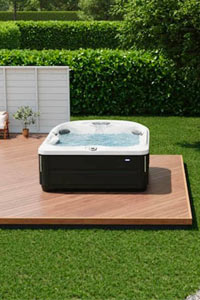


Hot tubs are designed to create a relaxing and therapeutic experience, but temperature plays a major role in how enjoyable and safe that experience feels. Water that is excessively hot can lead to discomfort or health hazards, whereas water that is too cool might not deliver the desired relaxation effects. Finding the right balance helps ensure every soak is both soothing and safe.
Understanding temperature guidelines also helps homeowners make better use of their hot tubs throughout the year. Comfort, safety, and energy efficiency all depend on maintaining the correct heat level. This guide explains how temperature ranges work, what influences the best settings, and how to adjust based on personal needs.
Understanding Hot Tub Temperature Basics
Standard Temperature Guidelines
The typical average hot tub temperature recommended for most users falls around 100°F to 102°F, as stated by Jacuzzi® Brand Hot Tubs. This range is widely considered comfortable for most adults and provides a balance between relaxation and safety.
Why Temperature Control Matters
Hot tub water temperature directly affects circulation, muscle relaxation, and heart rate. Higher temperatures can intensify relaxation but may also increase the risk of overheating, especially during extended use. Proper control ensures a consistent and enjoyable soaking experience without unnecessary strain on the body.
What Defines a Safe Temperature Range
Recommended Operating Range
The general hot tub temperature range used by most manufacturers falls between 98°F and 104°F according to the U.S. Consumer Product Safety Commission. This range allows flexibility for different users and seasonal conditions while maintaining safety standards.
Upper Safety Limits
Most safety guidelines advise not exceeding 104°F for regular use. Temperatures above this level can increase the risk of dizziness, dehydration, or overheating, particularly for longer soak sessions.
Lower Comfort Limits
Temperatures below 98°F may feel too cool for relaxation purposes, although some users prefer lower settings during warmer months or for short recovery sessions.
Finding the Ideal Setting for Comfort
General Comfort Recommendation
The ideal hot tub temperature for most users typically sits around 100°F to 102°F based on spa industry guidance from Jacuzzi Brands and similar manufacturers. This range supports muscle relaxation without pushing the body into discomfort.
Personal Comfort Factors
Body type, health conditions, and personal preference all influence comfort levels. Some users prefer slightly lower settings for longer soaking sessions, while others enjoy slightly warmer water for short relaxation periods. Hydration levels and ambient weather conditions also play a role in determining the most comfortable setting.
How Temperature Affects Safety
Risk of Overheating
Prolonged exposure to high temperatures can lead to overheating, especially in warm climates or enclosed spa environments. Symptoms may include lightheadedness, fatigue, or excessive sweating.
Special Considerations for Sensitive Users
Pregnant individuals, older adults, and those with certain medical conditions may need to use lower temperature settings. Medical professionals often recommend consulting a physician before regular hot tub use in these cases.
Safe Duration Guidelines
Even at safe temperatures, long soaking sessions can strain the body. Shorter intervals are generally recommended to maintain comfort and reduce risk.
Adjusting Temperature for Seasons
Cold Weather Settings
During colder months, users may prefer slightly warmer water to offset outdoor temperatures. This creates a more comfortable transition between the air and water.
Warm Weather Adjustments
In warmer seasons, lowering the temperature can make soaking more refreshing and reduce heat stress. This adjustment helps maintain comfort without losing the therapeutic benefits.
Seasonal flexibility is one of the main reasons homeowners choose adjustable spa systems when planning outdoor spaces, and Koval Building Supply supports this approach while helping you align upgrades with kitchen remodel design in WV for complete and cohesive home improvement planning.
Energy Efficiency and Temperature Choices
Impact of Higher Settings
Higher temperatures require more energy to maintain, which can increase operating costs over time. Consistent high heat also places additional strain on heating components.
Efficient Temperature Management
Maintaining a stable and moderate setting helps reduce energy consumption while still providing a comfortable experience. Covers and insulation also play a role in preserving heat efficiently.
Smart Usage Habits
Lowering the temperature of the hot tub when it’s not in use and heating it back up prior to use can enhance both comfort and efficiency while minimizing energy wastage.
Common Mistakes with Hot Tub Temperatures
- Setting Temperature Too High: Many users assume hotter water equals better relaxation, but excessive heat can reduce comfort and increase health risks.
- Ignoring Gradual Adjustments: Rapid temperature changes can make the experience uncomfortable. Gradual adjustments allow the body to adapt more naturally.
- Overlooking Manufacturer Guidelines: Each hot tub model may have specific recommendations. Adhering to the manufacturer’s guidelines guarantees safe and efficient usage.
Choosing the Right Temperature for Daily Use
Short relaxation sessions can handle slightly warmer settings since the time spent in the water is limited. This can help improve muscle relaxation and create a more soothing experience without putting too much strain on the body. In contrast, extended soaking periods necessitate reduced temperature settings to ensure comfort and minimize the likelihood of overheating, while also emphasizing the importance of hydration in the routine.
When a hot tub is used by multiple people, many people often ask what temperature a hot tub should be to keep everyone comfortable and safe at the same time. Choosing a balanced middle setting helps meet different comfort preferences without causing discomfort for any user. The right choice usually depends on how often it is used, who is using it, and the overall purpose of each session.
Benefits of Health and Wellness Through Proper Temperature
Muscle Recovery
Warm water aids in soothing muscles and enhancing blood flow, which contributes to recovery following exercise.
Stress Relief
Consistent moderate heat can reduce stress levels and promote relaxation after a long day.
Sleep Support
Evening use at appropriate temperatures may help the body unwind, contributing to better sleep quality for some users.
Conclusion
Hot tub temperature plays a central role in comfort, safety, and overall enjoyment. The right setting depends on personal preference, environmental conditions, and safe usage guidelines. Keeping water within recommended ranges helps ensure a relaxing experience without unnecessary health risks.
Understanding how temperature affects the body allows homeowners to make better decisions about daily use and long-term maintenance. A well-balanced approach leads to more consistent comfort and improved energy efficiency.
Koval Building Supply is your trusted kitchen and bath remodeling store, offering quality products, expert guidance, and dependable solutions to help bring your home improvement ideas to life with lasting style and performance.


