
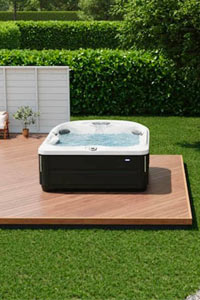


You finally have an hour to yourself, the jets are ready, and you lift the cover expecting clean steam and warm water. Instead, a strong, unpleasant odor rises from the water. That moment can turn a relaxing soak into a frustrating chore before you have even stepped in. Hot tub odor is rarely random. It usually traces back to a specific cause in the water, the filter, or the equipment, and most causes can be fixed.
This guide walks through the most common culprits behind that unpleasant smell and explains how to fix each one.
Understanding Why Hot Tub Water Develops an Odor
Hot tub water is reused for days or weeks before a full drain. Hot tubs contain less water than many pools while operating at much warmer temperatures. Without proper disinfection, filtration, and circulation, these conditions can allow germs and organic contaminants to build up.
Bacteria and Organic Buildup
Every time someone gets in, body oils, sweat, lotions, and dirt enter the water. These contaminants use up sanitizer, and when sanitizer levels run low, the buildup can cause unpleasant odors.
Chemical Imbalance
Sanitizers such as chlorine and bromine help control germs and break down contaminants in the water. A strong chemical smell can also indicate the presence of chloramines and poor water quality.
The Centers for Disease Control and Prevention (CDC) recommends maintaining appropriate disinfectant and pH levels to help control germs and maintain hot tub water quality. A properly chlorinated hot tub should have little odor, and a strong chemical smell points to a maintenance problem.
What It Means When Hot Tub Water Smells Like Rotten Eggs
A sulfur-like smell is one of the easiest odors to notice the moment you lift the cover. A rotten-egg smell often points to hydrogen sulfide, a gas linked to sulfur compounds and sulfur-reducing bacteria. Owners describe it this way because the odor is so distinct. If you fill your hot tub with well water, the source water itself may contain hydrogen sulfide.
Low sanitizer levels can contribute to poor water quality and bacterial growth, but a persistent rotten-egg odor can also originate from sulfur compounds already present in the fill water. If the odor results from accumulated contaminants or poor sanitation, an appropriate shock treatment may help. If the smell returns after treatment, test the fill water, especially from a private well, to check for hydrogen sulfide or sulfur bacteria.
Common Causes of a Musty-Smelling Hot Tub
A musty odor may be associated with damp or poorly cleaned components, including the cover, filter, cabinet area, or surfaces around the tub. Organic buildup and biofilm may also contribute to stale odors.
Filter Issues
A dirty filter is one of the most overlooked reasons for a stale, damp odor. Filters trap oils, debris, and organic matter, and if they are not rinsed or replaced on schedule that trapped material starts to break down and release the smell straight into the water flow.
Cover and Cabinet Moisture
Moisture trapped under the cover or inside the cabinet panels can contribute to mold growth. A waterlogged cover, a cracked vapor barrier, or poor cabinet ventilation can all be the reason a hot tub smells musty even when the water itself is properly balanced.
Other Causes of Stinky Hot Tub Water
Beyond the rotten-egg and musty odors above, everyday habits can leave the water in a hot tub stinky and stale over time:
- Soaking with a heavy bather load without testing sanitizer levels
- Letting the water sit unused and uncirculated for long periods
- Skipping regular shock treatments
- Using bath products, oils, or heavily scented lotions before entering
- Letting pH run high, which can reduce chlorine effectiveness, or letting total alkalinity drift, which makes pH harder to hold steady
Each of these on its own may seem minor, but combined they can create the water smell most owners are trying to avoid.
Dealing with recurring odor issues is often easier with an expert set of eyes on the setup. Koval Building Supply, a provider of hot tubs in West Virginia, offers hot tub products and maintenance support that can help address factors such as water chemistry, filtration, and equipment performance that may contribute to recurring odors.
How to Get Rid of Smelly Water in Your Hot Tub
Once you understand where the odor is coming from, following the right sequence works better than guessing at random products. The steps below apply no matter which type of smell you are dealing with.
A Step-by-Step Fix
- Test the water for pH, alkalinity, and sanitizer levels
- Shock the water with an oxidizer to break down organic waste
- Clean or replace the filter cartridge
- Wipe down the waterline to remove biofilm buildup
- Run the jets for several minutes to circulate treated water fully
- If the odor persists after treatment, check the cover, cabinet, and fill water, then drain and refill the tub if needed
Following these steps can help get rid of smelly water while avoiding unnecessary treatment products.
A Quick Guide to Hot Tub Smells
Different smells usually point to different causes. The table below matches each common odor to its likely cause and a good first fix.
| Problem | Likely Cause | Recommended Fix |
| Rotten-egg smell | Hydrogen sulfide, sulfur compounds, or poor water sanitation | Test the water and fill water; correct sanitizer levels and follow appropriate treatment |
| Musty smell | Dirty filter, damp cover/components, organic buildup or biofilm | Clean filter and surfaces; inspect and dry the cover and surrounding components |
| Strong chemical smell | Chloramines or poorly maintained water chemistry | Test and correct sanitizer and pH; follow appropriate shock treatment |
Frequently Asked Questions
1. Why Does My Hot Tub Smell Even After I Shock It?
The most common reason is that the water chemistry was off before you shocked it. Test and correct pH and sanitizer first, then shock. If pH or sanitizer levels stay outside the recommended range, the odor can persist.
2. Is It Safe To Use A Hot Tub That Smells Like Rotten Eggs?
It is safer to wait before using the hot tub until you have checked the water chemistry and identified the source of the odor.
3. How Often Should I Change My Hot Tub Filter To Prevent Musty Smells?
Plan to replace a cartridge filter about every 12–18 months, or sooner if it no longer cleans up. In between, rinse it weekly and deep-clean it monthly so trapped oils do not cause a musty smell.
4. Can Well Water Cause My Hot Tub To Smell Bad?
Yes, private well water can contain naturally occurring hydrogen sulfide or sulfur bacteria, both of which can contribute to a rotten-egg odor.
5. How Long Does It Take For Hot Tub Odor To Go Away After Treatment?
There is no set timeline, because it depends on the cause and the condition of the water. Once you correct the chemistry, clean the filter, and follow the manufacturer’s treatment instructions, the smell should start to improve.
Final Thoughts
Hot tub odors often become easier to diagnose once you know what different smells can indicate. Sulfur-like, musty, and chemical odors can have different causes, including water chemistry, contaminants, filtration issues, biofilm, moisture, or the quality of the fill water. Regular testing, consistent filter maintenance, and a proper draining schedule can help prevent many odor problems.
When odors continue despite proper cleaning and water care, it may be time to look beyond routine maintenance and consider the condition of the hot tub itself. Choosing a well-designed spa with reliable water-care features can also support a cleaner and more comfortable experience.
Jacuzzi offers hot tubs and swim spas for homeowners who want a quality spa for regular use. If you are considering a Jacuzzi spa or need help with your existing one, Koval Building Supply, a trusted Jacuzzi swim spa dealer in Morgantown, can help you find an option that fits your needs and provide guidance on maintaining your hot tub for a more enjoyable experience.


